Forseti: The Norse God of Justice and Reconciliation
Forseti was the Norse god of justice and reconciliation, remembered for settling disputes and restoring agreement between opposing parties. The son of Baldr and Nanna, he presided over Glitnir, a…
 Titans
 Ancient Egyptian Mythology
 Egyptian Gods
 Greek Civilization
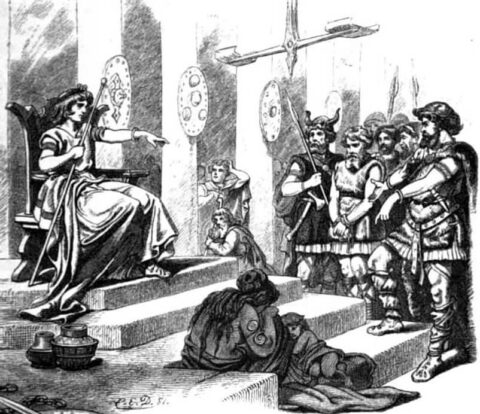
Forseti was the Norse god of justice and reconciliation, remembered for settling disputes and restoring agreement between opposing parties. The son of Baldr and Nanna, he presided over Glitnir, a…
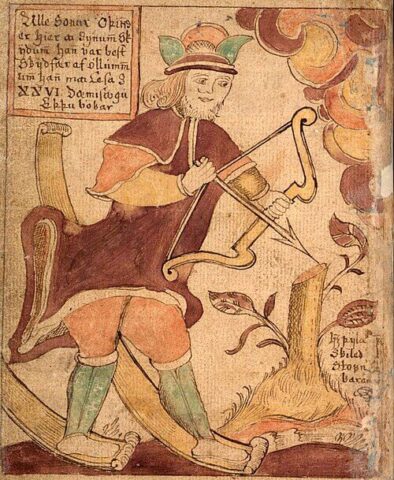
Ullr was a Norse god associated with skiing, archery, and hunting. The son of Sif and stepson of Thor, he was praised for his skill with a bow and his…
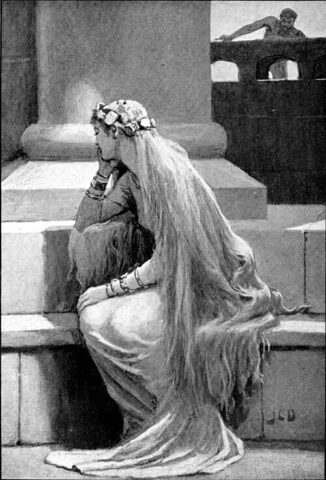
Sif was a Norse goddess best known as Thor’s wife and for the golden hair that became her defining feature. In Snorri Sturluson’s Prose Edda, Loki cuts off her hair,…
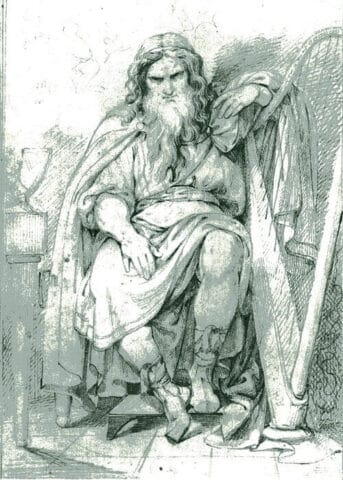
Bragi was the Norse god of poetry and eloquence, celebrated for his command of language rather than his strength in battle. In the Prose Edda, Snorri Sturluson describes him as…
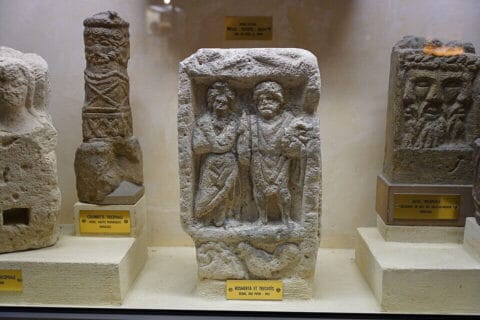
Toutatis, also known as Teutates, was a Celtic deity whose name derives from a word meaning “people” or “tribe.” He is generally understood as a protector of the community, although…
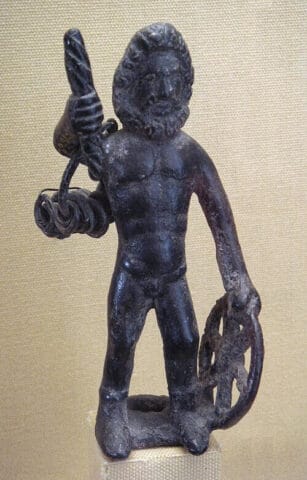
Taranis was a Celtic god of thunder worshipped in ancient Gaul. His name comes from a Celtic root meaning “thunder,” and Roman-era inscriptions associate related divine names with Jupiter. He…
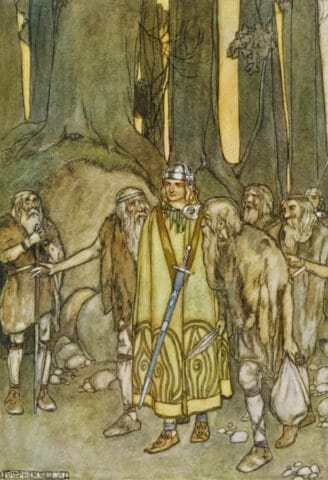
Fionn mac Cumhaill, also known as Finn McCool, was a legendary Irish warrior, poet, and leader of the Fianna, a band of hunters and fighters celebrated in the Fenian Cycle…
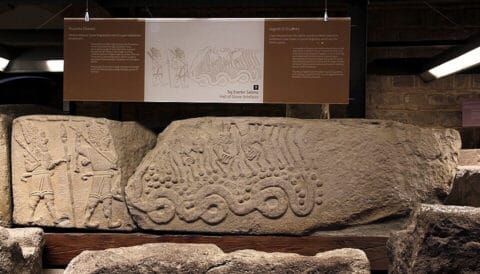
Illuyanka was a powerful serpent that defeated the Storm God in one of the best-known myths of the ancient Hittites. In the first surviving version, the goddess Inara arranges a…
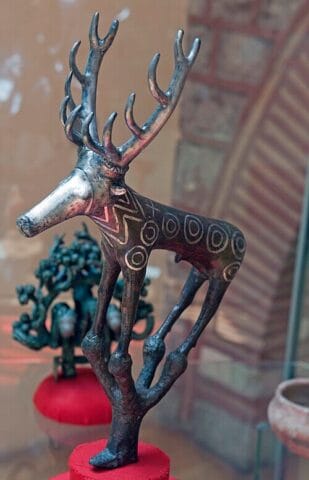
Inara was a Hittite goddess of Hattian origin, associated with wild animals and the protection of Hattusa, the Hittite capital. Identified in Hittite mythology as the daughter of the Storm…
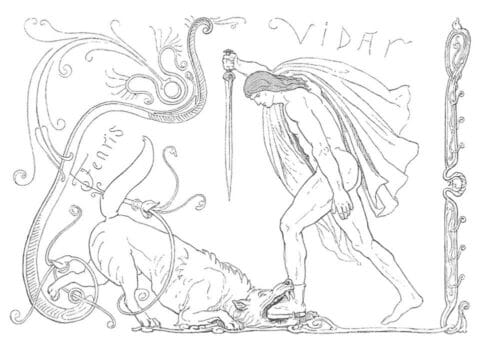
Vidar (Old Norse Víðarr) is the son of Odin and the giantess Gríðr in Norse mythology. Known as the Silent God, he is described by Snorri Sturluson as second only…
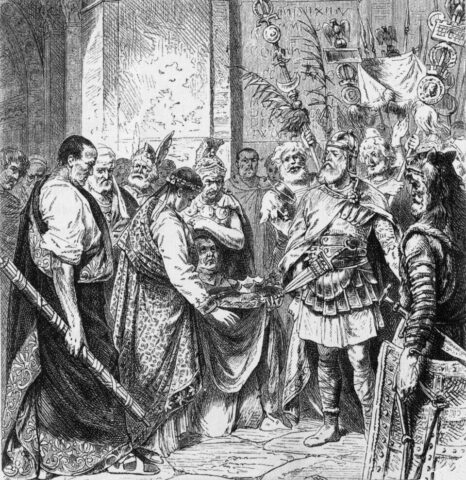
In 476 CE, Odoacer deposed Romulus Augustulus, ending imperial rule by a western emperor in Italy. But the Western Roman Empire had been weakening for decades. It had lost control…
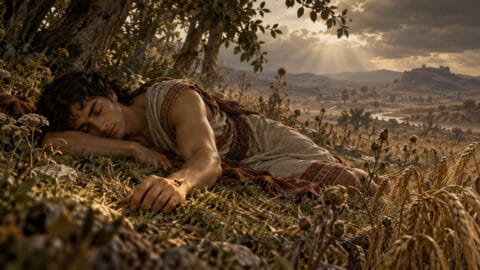
When Telipinu, the Hittite god associated with fertility and agriculture, vanished in anger, crops stopped growing, animals could no longer reproduce, and even the gods faced hunger. His disappearance brought…
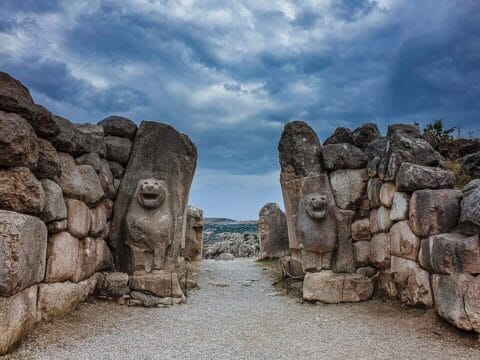
Hattusa was the capital of the Hittite kingdom and later empire for much of the second millennium BCE. Its ruins lie near modern Boğazkale in central Türkiye. In the seventeenth…
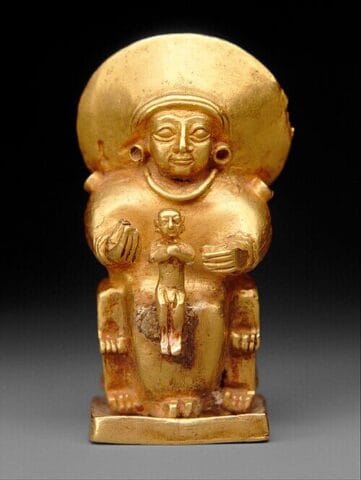
The Sun Goddess of Arinna was one of the principal deities of the Hittite kingdom and a protector of its rulers. Arinna was the sacred city at the centre of…
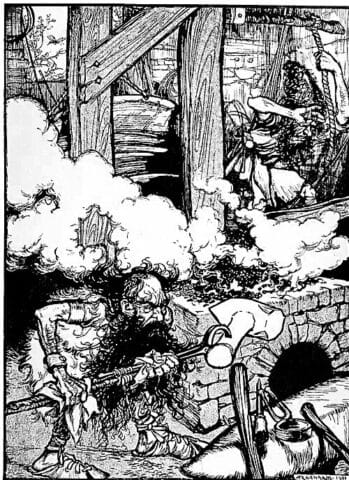
Thor received Mjölnir through a contest between two groups of dwarven craftsmen, set in motion when Loki cut off Sif’s hair. To escape Thor’s anger, Loki obtained a golden replacement…
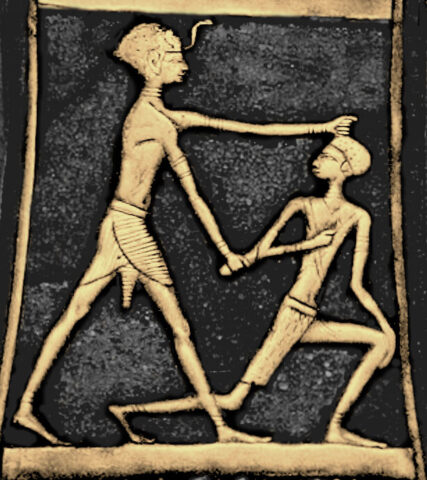
If Ahmose I had failed to capture Avaris during his campaign against the Hyksos in the sixteenth century BCE, the Hyksos might have retained their kingdom in the Nile Delta…
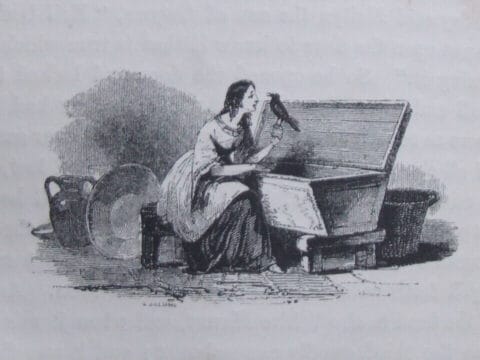
Branwen, daughter of Llŷr, is the central figure of the Second Branch of the Mabinogi, a medieval Welsh tale about a royal marriage that ends in a devastating war between…
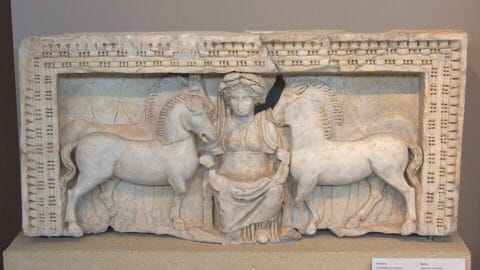
Epona was a Celtic goddess associated with horses, their protection, and fertility. Her worship was rooted in Gaul and spread across parts of the Roman Empire, where she became particularly…
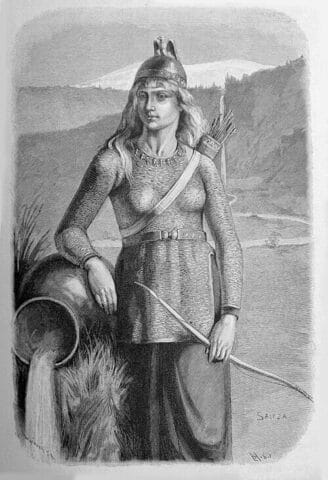
Skadi (Old Norse: Skaði) is a jötunn who is also counted among the goddesses in Norse mythology. She hunts with a bow, travels on skis, and lives in the mountains….
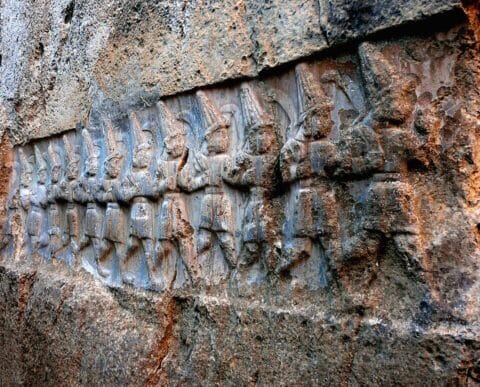
Hittite mythology survives in cuneiform texts from ancient Anatolia, particularly the archives of Hattusa, the Hittite capital. Its stories tell of disappearing gods, monstrous creatures, and struggles for control of…